Quick answer: Attendance questions often involve timing, reporting, approved leave and a record of what was communicated.
A partner receives a question about lateness after a transit disruption. The useful facts include which shift was affected, when they reported the delay and who responded.
Understand the situation before changing anything
A partner receives a question about lateness after a transit disruption. The useful facts include which shift was affected, when they reported the delay and who responded.
Good workplace communication is specific and timely. Describe what happened, what you have already checked, which dates are affected and the decision you need from your manager, without disclosing unnecessary private details. Start with the specific decision you need to make. A good first question is what has already been documented and what is still only an assumption.
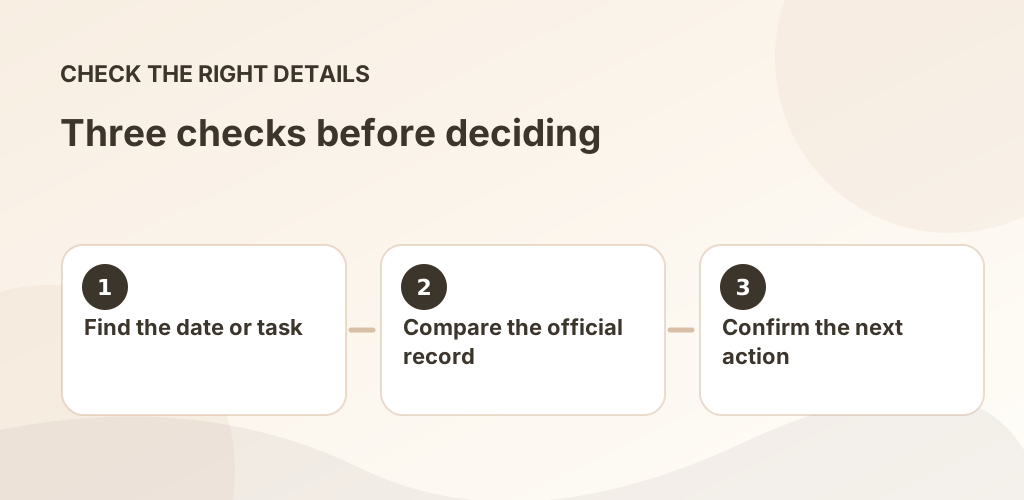
A practical way to handle it
Read the current workplace attendance policy, save permitted notification evidence and distinguish a late arrival from a full absence or approved schedule change.
Before acting, take a moment to confirm which date, location and personal circumstances are relevant. Keep any supporting evidence in a private, appropriate place; if you need help, ask a precise question instead of sending a broad request without the necessary context.
Make your next conversation useful
Explain the situation in one sentence, then list what you have already checked and what needs a decision. This makes it easier for the appropriate store leader, benefits administrator or official support team to respond with information that matches your specific case.

Example: turning confusion into a clear next step
For an unexpected road closure, report the estimated delay through the required route and update the manager if the estimate changes. Your explanation should be factual and concise.
Notice the difference between identifying a possible explanation and confirming what actually happened. An example helps frame a question; it cannot prove how a real employee’s account, schedule or benefits will be handled. The final answer always depends on the approved company process and current records.
Common mistakes to avoid
Do not rely on a personal definition of “excused” or a coworker’s interpretation of local law. The governing policy determines procedures and consequences.
- Do not treat an unsourced post, old screenshot or search snippet as a current workplace rule.
- Do not share passwords, verification codes, personal payroll information or another employee’s details with this website.
- If your situation affects a deadline, ask for confirmation before assuming a request has been processed.
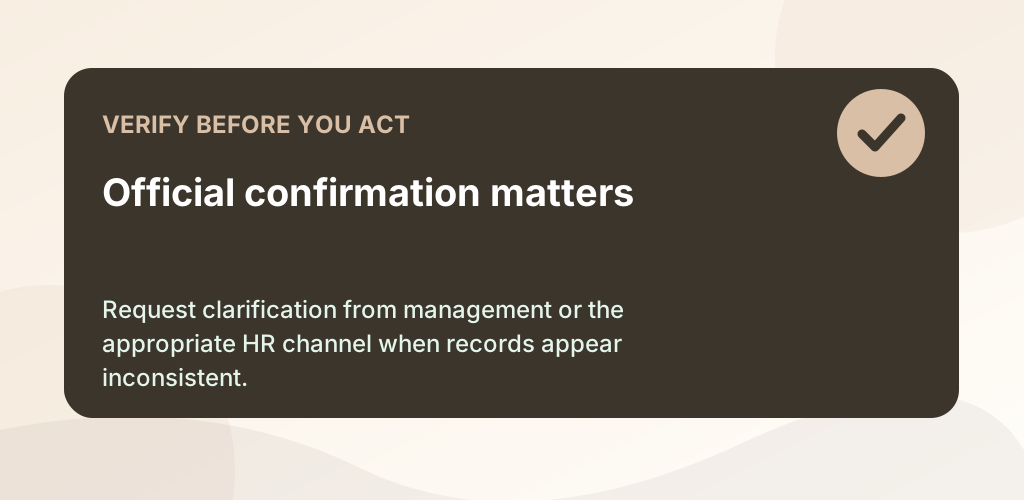
What to verify with an official source
Request clarification from management or the appropriate HR channel when records appear inconsistent.
This article is educational, not an official Starbucks Partner Guide or employment advice. Local law, store instructions and applicable collective bargaining provisions may change the relevant rule.
Official sources and further reading
The links below are Starbucks-run pages. Their inclusion does not imply this independent website is affiliated with or endorsed by Starbucks.
Questions people also ask
Does one late shift always lead to the same action?
No. Context and applicable policy matter, so avoid universal claims.
Where can I see information for my exact store or account?
Check the Starbucks-approved systems, communications and current Partner Guide for your market. For a decision involving individual eligibility, pay, scheduling or policy, contact the store leader or official support team who can view the right records.
Is this an official Starbucks policy update?
No. This is independent explanatory content based on public resources and general workplace practices. Company guidance and plan documents take precedence where they differ from this article.
Related Starbucks partner guides
How to Raise a Workplace Scheduling or Safety Concern
Clear documentation and the right reporting channel help turn a difficult situation into a reviewable issue.
Read the guide →
Calling Out Sick at Starbucks: A Clear Communication Plan
Reporting illness promptly is different from arranging a voluntary shift trade, and the official call-out method matters.
Read the guide →
Starbucks Breaks and Meal Periods: Questions to Verify
Meal and rest breaks vary with shift length, jurisdiction and workplace rules. A universal online chart can be misleading.
Read the guide →For a broader overview, visit our workplace policies guide or browse the complete resource library.