
Quick answer: Coffeehouse work involves cleanliness, temperatures, allergens and local food safety rules. Online articles can introduce concepts but cannot replace certified training.
A trainee wants a quick checklist for daily habits without accessing employer-only procedures. Broad principles are useful only when they point back to approved instructions.
Understand the situation before changing anything
A trainee wants a quick checklist for daily habits without accessing employer-only procedures. Broad principles are useful only when they point back to approved instructions.
The strongest preparation pairs a clear learning objective with a real example and feedback. Practice one situation at a time, record what you learned and ask a trainer or supervisor to verify store-specific standards. Start with the specific decision you need to make. A good first question is what has already been documented and what is still only an assumption.
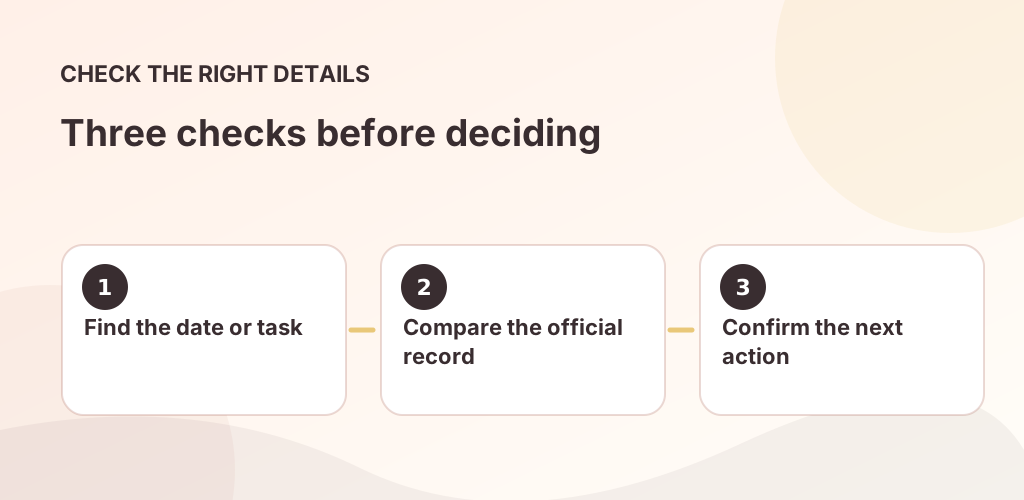
A practical way to handle it
Follow official handwashing, cleaning, storage and allergen protocols. Understand when to stop a task and ask a supervisor because a label, ingredient or process is unclear.
Before acting, take a moment to confirm which date, location and personal circumstances are relevant. Keep any supporting evidence in a private, appropriate place; if you need help, ask a precise question instead of sending a broad request without the necessary context.
Make your next conversation useful
Explain the situation in one sentence, then list what you have already checked and what needs a decision. This makes it easier for the appropriate store leader, benefits administrator or official support team to respond with information that matches your specific case.

Example: turning confusion into a clear next step
If a customer flags an allergy, communicate the request through the approved process rather than guaranteeing a product is free of cross-contact risk.
Notice the difference between identifying a possible explanation and confirming what actually happened. An example helps frame a question; it cannot prove how a real employee’s account, schedule or benefits will be handled. The final answer always depends on the approved company process and current records.
Common mistakes to avoid
Never reuse equipment care instructions found on unrelated blogs, and do not modify sanitizer concentrations, storage periods or temperatures based on general advice.
- Do not treat an unsourced post, old screenshot or search snippet as a current workplace rule.
- Do not share passwords, verification codes, personal payroll information or another employee’s details with this website.
- If your situation affects a deadline, ask for confirmation before assuming a request has been processed.
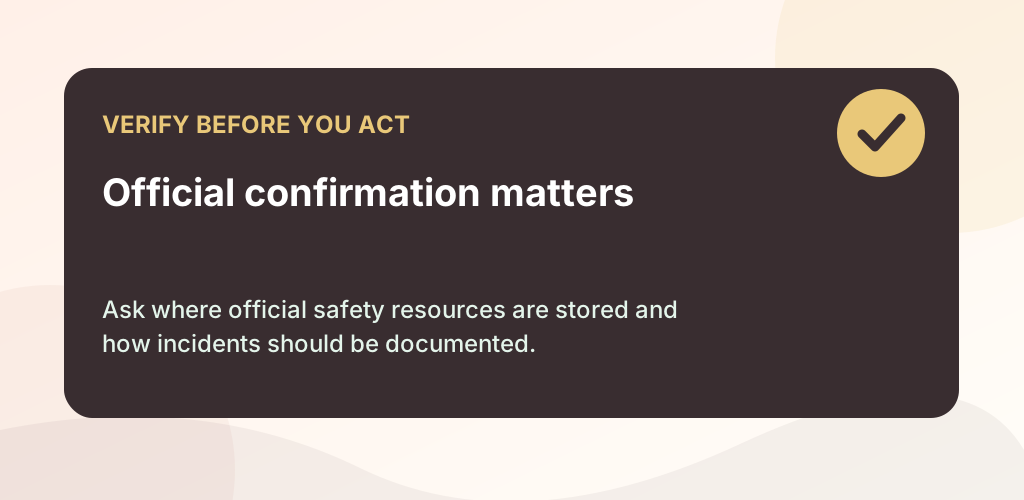
What to verify with an official source
Ask where official safety resources are stored and how incidents should be documented.
Training procedures and hiring expectations can change by store and role. Follow Starbucks-approved training materials and food safety rules for anything involving equipment, allergens or service.
Official sources and further reading
The links below are Starbucks-run pages. Their inclusion does not imply this independent website is affiliated with or endorsed by Starbucks.
Questions people also ask
Can this article replace food handler training?
No. Employer procedures and applicable local food safety rules control actual operations.
Where can I see information for my exact store or account?
Check the Starbucks-approved systems, communications and current Partner Guide for your market. For a decision involving individual eligibility, pay, scheduling or policy, contact the store leader or official support team who can view the right records.
Is this an official Starbucks policy update?
No. This is independent explanatory content based on public resources and general workplace practices. Company guidance and plan documents take precedence where they differ from this article.
Related Starbucks partner guides

Espresso Basics for Starbucks New Hires
Espresso requires controlled equipment, fresh ingredients and correct handling. This guide explains broad concepts, not operating settings.
Read the guide →
Milk Texture and Beverage Quality: A Starter Guide
Understanding texture helps new café staff explain drinks, but precise steaming technique must come from certified store training.
Read the guide →
Customer Service During a Coffeehouse Rush: Practical Habits
Busy periods reward clear communication and calm prioritization more than rushing through every task.
Read the guide →For a broader overview, visit our careers & coffee skills guide or browse the complete resource library.