Quick answer: Opening and closing shifts involve different preparation, handoff and recovery needs. This guide focuses on organization, not unofficial operational instructions.
An employee moves from daytime work to an early opening or late close. Transportation, sleep planning and coordination with the previous or next team become more important.
Understand the situation before changing anything
An employee moves from daytime work to an early opening or late close. Transportation, sleep planning and coordination with the previous or next team become more important.
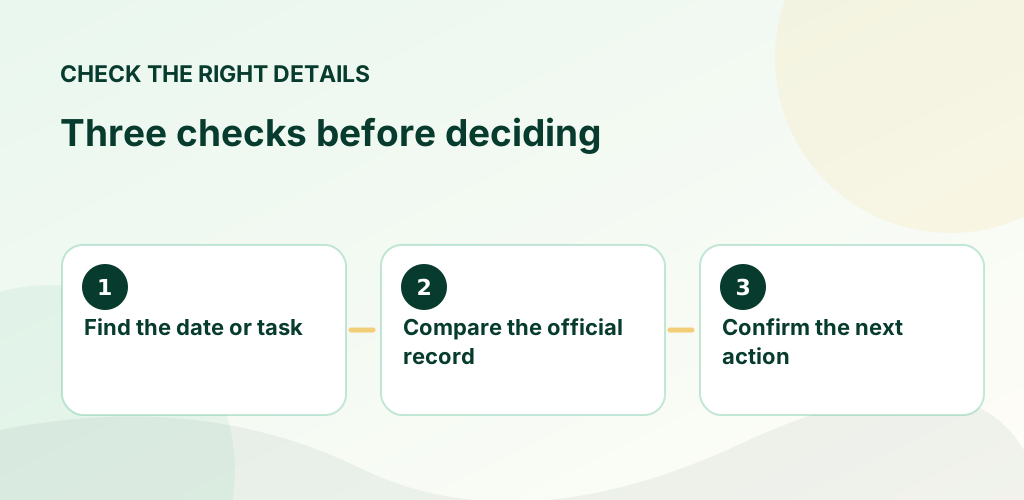
The goal is to avoid surprises: look at the actual published entry, confirm the relevant date and store, and keep a record of any approved change. A text message or conversation alone may not update the official schedule. Start with the specific decision you need to make. A good first question is what has already been documented and what is still only an assumption.
A practical way to handle it
Confirm the actual arrival time and location. Prepare practical essentials in advance, including transit plans, uniform readiness and personal breaks as permitted. Follow the store’s approved opening and closing checklists.
Before acting, take a moment to confirm which date, location and personal circumstances are relevant. Keep any supporting evidence in a private, appropriate place; if you need help, ask a precise question instead of sending a broad request without the necessary context.
Make your next conversation useful
Explain the situation in one sentence, then list what you have already checked and what needs a decision. This makes it easier for the appropriate store leader, benefits administrator or official support team to respond with information that matches your specific case.
Example: turning confusion into a clear next step
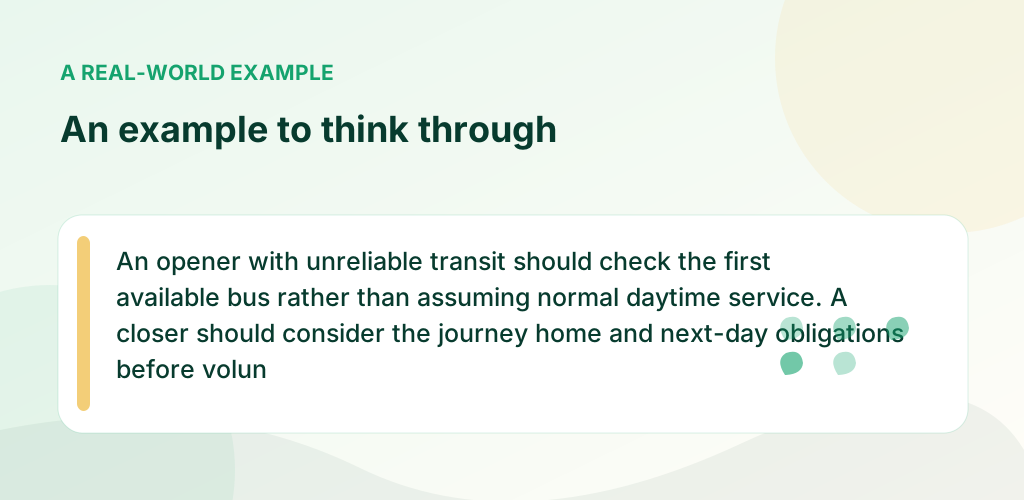
An opener with unreliable transit should check the first available bus rather than assuming normal daytime service. A closer should consider the journey home and next-day obligations before volunteering for back-to-back shifts.
Notice the difference between identifying a possible explanation and confirming what actually happened. An example helps frame a question; it cannot prove how a real employee’s account, schedule or benefits will be handled. The final answer always depends on the approved company process and current records.
Common mistakes to avoid
Do not copy equipment or food-safety routines from social media. Store policies and training specify how equipment, cash controls and security tasks are completed.
- Do not treat an unsourced post, old screenshot or search snippet as a current workplace rule.
- Do not share passwords, verification codes, personal payroll information or another employee’s details with this website.
- If your situation affects a deadline, ask for confirmation before assuming a request has been processed.
What to verify with an official source
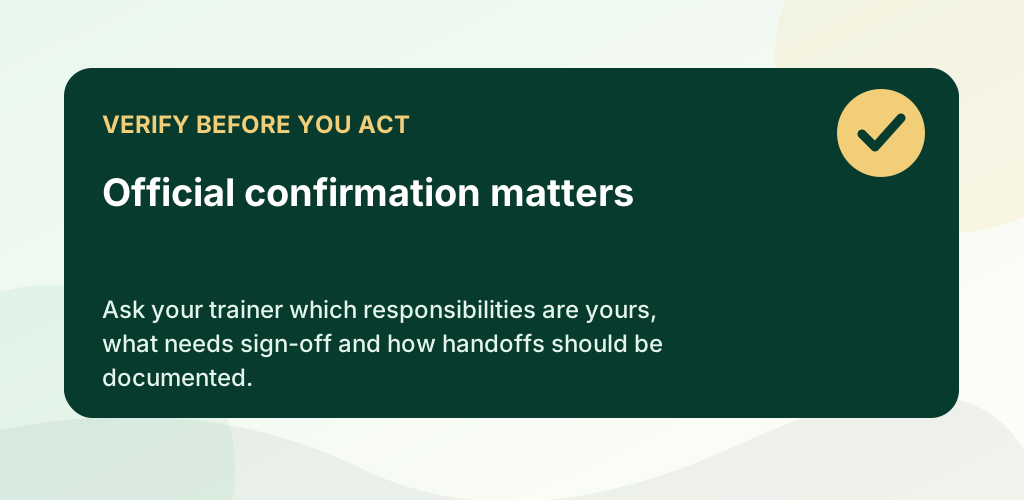
Ask your trainer which responsibilities are yours, what needs sign-off and how handoffs should be documented.
Store schedules, approval workflows and notification timelines depend on location and employment arrangement. Treat the published schedule and your manager’s instructions as authoritative.
Official sources and further reading
The links below are Starbucks-run pages. Their inclusion does not imply this independent website is affiliated with or endorsed by Starbucks.
Questions people also ask
Are opening shifts always shorter than closing shifts?
No. Shift length is determined by the actual posted assignment and store needs.
Where can I see information for my exact store or account?
Check the Starbucks-approved systems, communications and current Partner Guide for your market. For a decision involving individual eligibility, pay, scheduling or policy, contact the store leader or official support team who can view the right records.
Is this an official Starbucks policy update?
No. This is independent explanatory content based on public resources and general workplace practices. Company guidance and plan documents take precedence where they differ from this article.
Related Starbucks partner guides

How to Pick Up Extra Starbucks Shifts Responsibly
Available shifts can help meet personal hour goals, but approval, location and fatigue matter more than accepting every offer.
Read the guide →
How to Talk to Your Starbucks Manager About More or Fewer Hours
A specific, collaborative conversation is more useful than a vague request for additional hours or a sudden reduction.
Read the guide →
Working at Two Starbucks Stores: Scheduling Questions to Ask
Coverage across locations can be helpful, but each assignment should be explicitly approved and visible in the proper system.
Read the guide →For a broader overview, visit our scheduling guide or browse the complete resource library.