Workplace Policies
How to Understand Starbucks Attendance Expectations
Attendance questions often involve timing, reporting, approved leave and a record of what was communicated.
Read the guide →Starbucks attendance expectations matter, but claims about a nationwide “point system” or fixed points for every late arrival cannot be reliably verified from the public policies reviewed here. Your current Partner Guide, manager and applicable laws are the appropriate sources.
Quick answer: Starbucks attendance expectations matter, but claims about a nationwide “point system” or fixed points for every late arrival cannot be reliably verified from the public policies reviewed here. Your current Partner Guide, manager and applicable laws are the appropriate sources.
Independent guide: Not affiliated with Starbucks Corporation. Employee rules differ by role, market and store. Use the current Starbucks Partner Guide, manager or official employee portal for account-specific directions. Never enter credentials on this site.
Not every absence is treated the same way. Authorized vacation, legally protected leave, covered illness and unexcused no-shows may have different consequences. Starbucks publicly describes a paid sick-time program for U.S. partners; read the current sick-time details and any applicable local law.
Online tables listing 0.5, 1, 2 or 3 points should not be used as official policy without the current Starbucks Partner Guide or your employment agreement confirming them. Ask your manager or Partner Relations about local reporting, repeated absences, accommodations and discipline.
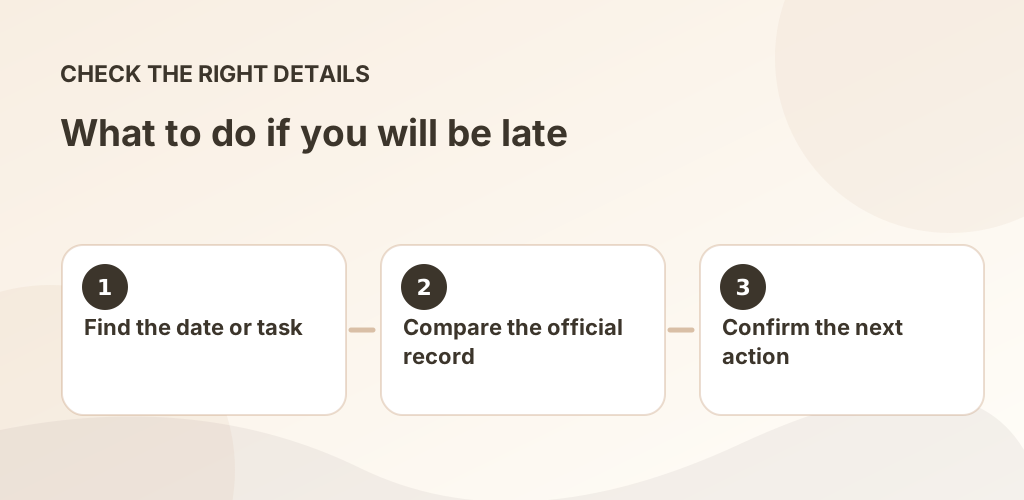
Review your assigned shifts, timecard, approved leave record and any notice provided. Ask for the relevant written policy and contact authorized HR support when needed.
There is no verified universal Starbucks point chart here. Coverage under paid sick time and local protections depends on your situation and policy.
Posting a shift is not approval. Follow the reporting process and verify reassignment.
For official, current policy decisions, use Starbucks’ own resources linked below. These sources do not imply that Starbucks sponsors or approves this website.
Good workplace communication is specific and timely. Describe what happened, what you have already checked, which dates are affected and the decision you need from your manager, without disclosing unnecessary private details. If you have a question about a personal employee account, eligibility, time entry or workplace decision, rely on an employer-controlled record and support channel.
Choose the guide that matches your situation below. Each article gives a concrete example, common mistakes to avoid and official Starbucks references where available. These are informational guides, not a substitute for your store's current policy documents.
Attendance questions often involve timing, reporting, approved leave and a record of what was communicated.
Read the guide →
Reporting illness promptly is different from arranging a voluntary shift trade, and the official call-out method matters.
Read the guide →
Personal reminders can help prevent missed starts, but your phone calendar is a backup, not the employer’s live scheduling record.
Read the guide →